
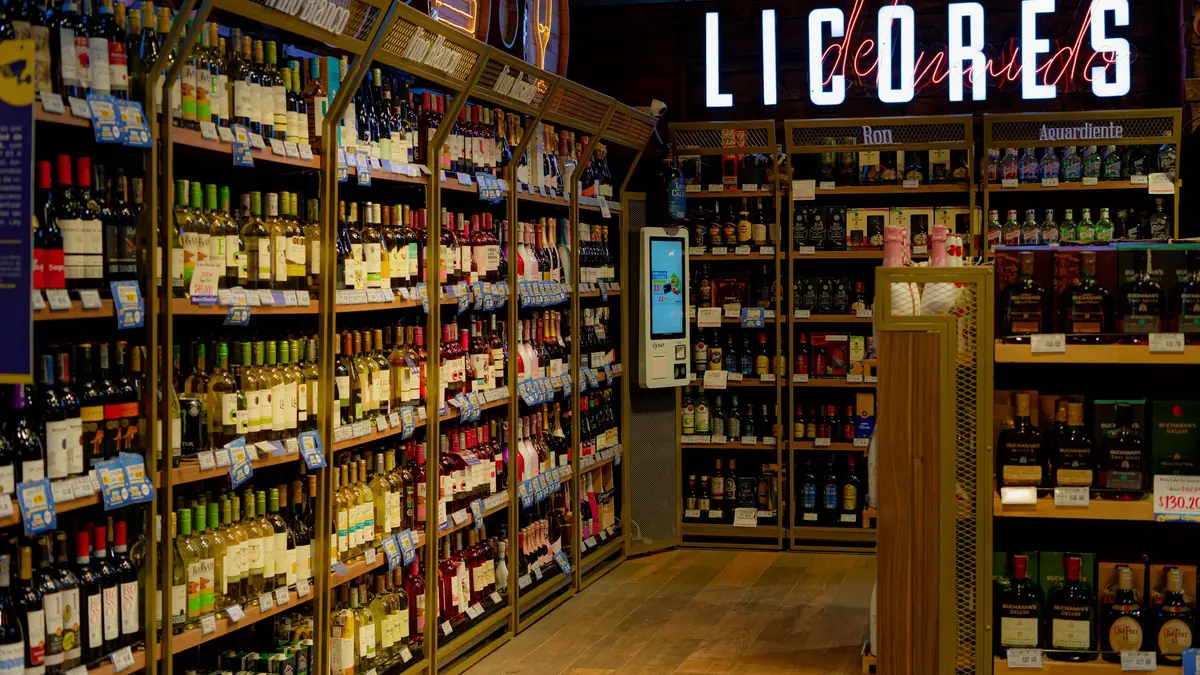
Why liquor stores use 445320
NAICS draws the line in alcohol sales at where the drink is consumed. The official definition of 445320 covers establishments “primarily engaged in retailing packaged alcoholic beverages, such as ale, beer, wine, and liquor.” Packaged means sold sealed, to be opened somewhere else. That covers:
- Neighborhood liquor and package stores
- Wine shops and fine wine retailers
- Craft beer shops and beer stores selling cans and bottles to go
- Online wine and spirits retailers and wine-of-the-month clubs that ship packaged bottles
- Duty-free liquor shops, which the index lists by name
- Government-operated liquor stores in control states
Selling mixers, ice, cigarettes, snacks and lottery tickets alongside the bottles does not change the code as long as packaged alcohol brings in the most revenue.
Where liquor stores split off
Drinks on the premises. Bars, taverns, cocktail lounges and tap rooms serving drinks “for immediate consumption” are 722410. The 722410 definition sends “retailing packaged alcoholic beverages not for immediate consumption on the premises” back to 445320. A bottle shop with a few stools and a tasting flight stays in 445320; a wine bar that also sells bottles to go is a drinking place if pours bring in more. Our bars and breweries page covers on-premise businesses.
Beer as one line in a convenience store. A corner store selling beer and wine along with milk, bread, soda and snacks is a convenience retailer, 445131, as long as alcohol is not the main line. If cases of beer and bottles of liquor bring in most of the sales, the store is a liquor store. Add fuel pumps and the store moves to 457110.
Groceries and supermarkets. A supermarket with a large wine aisle stays in 445110 when groceries bring in more. A separate liquor store run next to a supermarket, with its own register and books, can be classified on its own as 445320.
Distributors. Selling to retailers, bars and restaurants rather than to the public is wholesale: 424810 for beer and other malt beverages, and 424820 for wine, distilled spirits and premixed cocktails. In states with three-tier systems, the distributor and the retailer are usually separate businesses with separate codes.
Making what you sell. A winery selling its own wine through a tasting room is classified as a winery, 312130. A brewery selling its own beer in cans and growlers is 312120, and a craft distillery is 312140. Bottling purchased wine or liquor and selling it wholesale is 424820.
Delivery. An app-based or independent service delivering alcohol for stores, without owning the stock, is listed under 492210. A liquor store delivering its own orders keeps 445320.
Neighboring products. Tobacco, cigar and vape shops are 459991. Stores selling home brewing and winemaking supplies are 459999.
Mixed-revenue examples
| Sales mix | Code to use |
|---|---|
| 80% spirits, wine and beer to go, 20% mixers and snacks | 445320 |
| 55% wine by the glass, 45% bottles to go | 722410 |
| 35% beer and wine, 65% snacks, drinks and groceries, no fuel | 445131 |
| Online wine retailer shipping to customers | 445320 |
| Tasting room selling the owner’s own wine | 312130 |
| Supplying wine and spirits to restaurants | 424820 |
The 2022 change and licensing paperwork
NAICS 2022 replaced 445310, Beer, Wine, and Liquor Stores, with 445320, Beer, Wine, and Liquor Retailers. The new code also absorbed businesses that sell packaged alcohol online or by direct selling, which were previously classified in the electronic shopping and direct selling codes. Our guide to what replaced 454110 explains how online sellers moved.
State liquor licenses classify your business by license type, such as off-premise or on-premise, and do not assign a NAICS code. Liquor liability insurers and lenders often ask for the six-digit code separately; use 445320 when packaged sales are your main business.